In the 2025–2026 academic year, the School of Business Shantou University welcomed 14 international exchange students, including 12 students such as Kanyawee Phormraksa from Dhurakij Pundit University in Thailand, Stephen Lynch from Dublin City University in Ireland, and Maximilien Gryzewski from EM Normandie Business School in France. After a full year of immersive learning and field visits, the students successfully completed their exchange program and returned home with rich experiences and new insights.
This academic year, the School implemented a “Theory + Practice” integrated cultivation model. In addition to classroom lectures, the school organized field research trips for the exchange students into local enterprises, enabling course content to take root in real business scenarios. The school carefully arranged a series of company visits and practical courses, helping international students gain a multi-dimensional understanding of the industrial vitality and innovation ecosystem of the Chaoshan region.
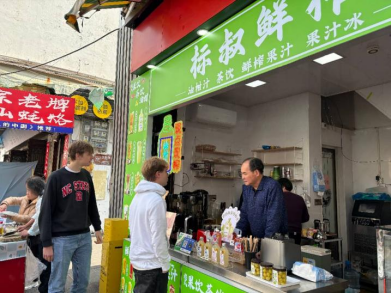
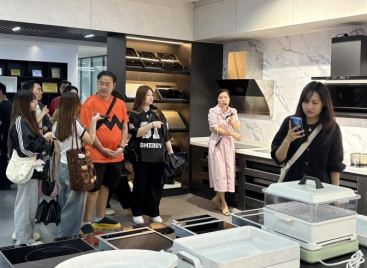
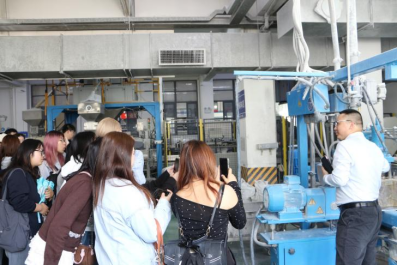
During the enterprise visit, exchange students walked into Guangdong Weinuoguan Animation Food Co., Ltd. to observe the cross-border integration path of animation IP empowering the food industry and learned how the company drives brand internationalization through cultural creativity. At Guangdong Meilian New Materials Co., Ltd., the students analyzed financial data and governance structures, gaining a direct understanding of the practical wisdom of Chaoshan enterprises in management innovation. At Dexin Industrial Co., Ltd., a local manufacturing enterprise with over 40 years of expertise in electromagnetic home appliances, the students were shown the production line and research and development processes, presenting the exploration and breakthroughs of traditional manufacturing in green transformation and smart upgrading. This series of enterprise visits bridged theoretical knowledge and industrial reality, helping the students establish an effective connection from classroom concepts to real-world business practice.
、
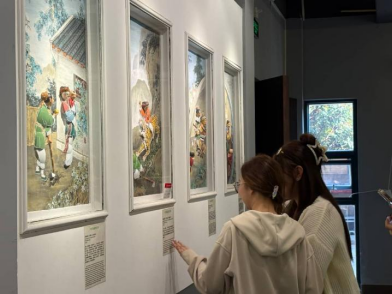
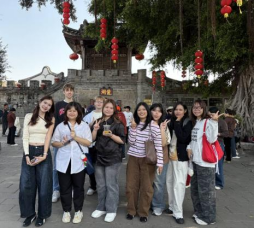
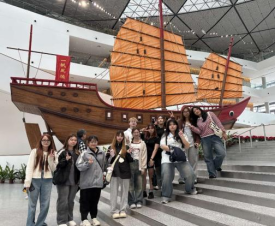
In the study of Chaoshan culture and history, the exchange students visited Chaozhou ancient villages, Paifang Street, the Ceramic Inlay Museum, the Port Opening Exhibition Hall, and the Qiaopi Cultural Museum. They also traveled to the Zhanglin Ancient Port in Chenghai and the Yongding Building Qiaopi Exhibition Hall, systematically learning about the commercial evolution of Chaoshan as a homeland of overseas Chinese and the lineage of intangible cultural heritage. Using the qiaopi (remittance letters) network as an entry point, they came to understand how overseas Chinese built a transoceanic trade system by leveraging financial credit, linking the history of Teochew merchants “going to Nanyang” with regional economic development, forming a holistic understanding of Chaozhou Shantou society and its interconnection with Southeast Asia. Through this series of cultural practices, the international exchange students developed a profound appreciation of the social development and cultural heritage of the Chaoshan region, as well as the qiaopi mechanism and the deep patriotism of overseas Chinese.
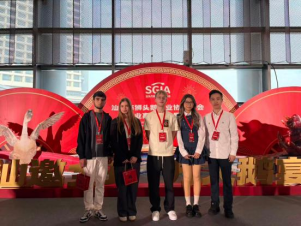
It is worth noting that the exchange students showed a strong interest in Chaoshan culture. During a media interview at the “Ten-Thousand-Person Goose Banquet” event organized by the Shantou Lion-Head Goose Industry Association, Irish student Stephen Lynch expressed his heartfelt admiration: “I really love Chinese food. I have been to more than 20 countries, and no country’s cuisine is as rich and delicious as China’s.”
The arrival of international exchange students brought diverse cultural perspectives to the school and further deepened the cooperative relationships with partner institutions such as Dhurakij Pundit University in Thailand, Dublin City University in Ireland, and EM Normandie Business School in France. The “Theory + Practice” cultivation model allowed the international students to truly experience the commercial vitality and cultural charm of the Chaoshan region beyond the classroom, accumulating valuable experience for the school’s continuous promotion of international education. In the future, the School will continue to expand international exchange platforms and warmly welcome more overseas students for study and exchange.